L-Tyrosine | A Beginner’s Guide
Nootropics are a genuinely fast-growing supplement category, and L-tyrosine is one of the more popular entries. It’s often marketed as a stress reliever — but how much of that claim actually holds up under real research? Table of content What Is ? Uses and Benefits Cognitive Flexibility and Athletic Use Understanding Stress and Its Real […]

Nootropics are a genuinely fast-growing supplement category, and L-tyrosine is one of the more popular entries. It’s often marketed as a stress reliever — but how much of that claim actually holds up under real research?
What Is L-Tyrosine?
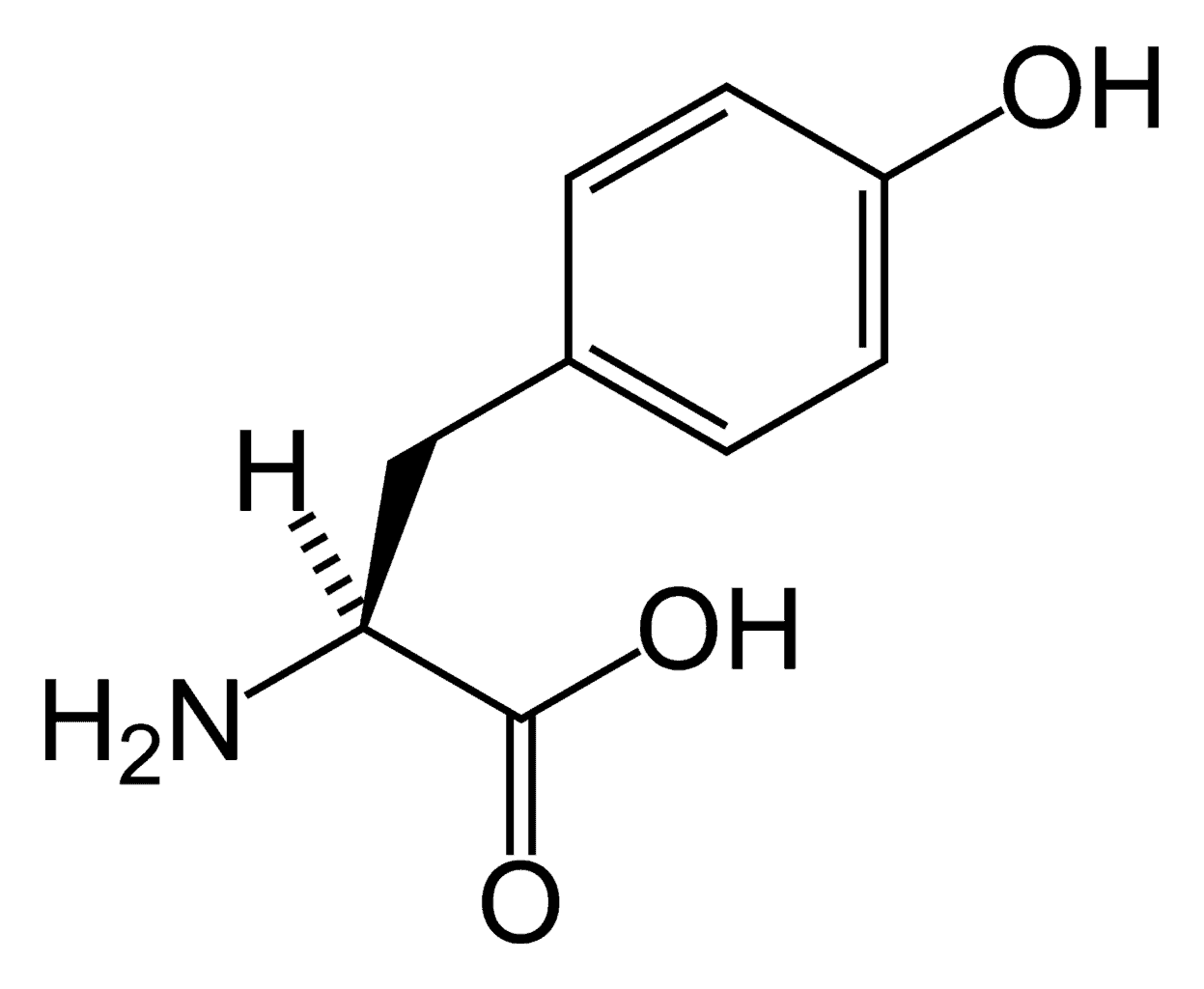
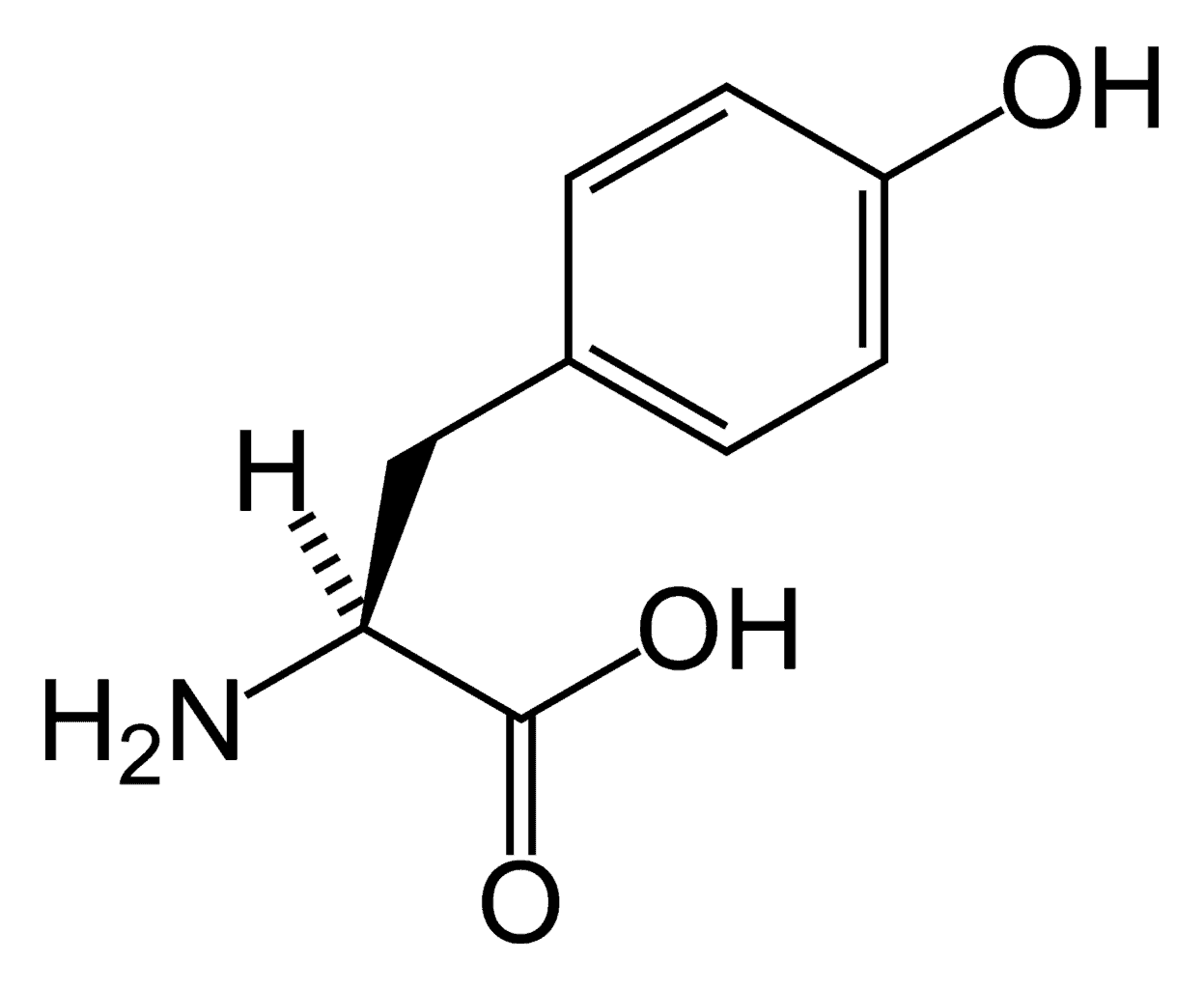
L-tyrosine is an amino acid your body uses to produce catecholamines, primarily dopamine and norepinephrine — both genuinely essential neurochemicals for motivation, arousal, motor control, and broader nervous system function. Dietary sources include dairy, chicken, and soy, though many people don’t get enough from food alone. Interestingly, per NCBI, extra tyrosine doesn’t necessarily raise dopamine and norepinephrine levels directly, since the body already regulates catecholamine conversion on its own. That said, real evidence suggests L-tyrosine functions as a buffer against intense physical and emotional stress, per Examine.com — protecting against elevated cortisol rather than directly relieving stress.
L-Tyrosine Uses and Benefits
Most people take L-tyrosine for its genuine protective effect against cognitive decline during physical and emotional stress. Real studies on cadets in stressful combat training found L-tyrosine improved cognitive performance on memory tasks, and a 1995 study found sleep-deprived participants performed better on cognitive tasks than a placebo group, per NCBI — a genuinely useful finding for anyone working or studying on insufficient sleep.
Cognitive Flexibility and Athletic Use
Per NCBI, L-tyrosine genuinely supports cognitive flexibility — the ability to shift between thoughts and tasks — likely tied to its connection with dopamine. One 2011 study found 77% of participants benefited from L-tyrosine use alone. Athletes increasingly use it too, since better task focus helps with fluidly switching between exercise intensities.
Understanding Stress and Its Real Health Effects
Not all stress is harmful — eustress, the positive kind, can genuinely energize and elevate mood, while distress builds up and damages health over time. Chronic stress genuinely impairs immune response, per NCBI, disrupts digestion, and interferes with restful sleep. Common warning signs include neck and shoulder tightness, headaches, fatigue, poor concentration, and appetite changes.
How L-Tyrosine Works With Stress
During stress, the body triggers dopamine and norepinephrine production — some researchers believe chronic stress can outpace the body’s natural tyrosine supply, making supplementation genuinely helpful for reducing certain stress symptoms. L-tyrosine has real, documented support for improving concentration, reducing fatigue, boosting mental performance, and — through its role in melatonin production — supporting restful sleep.
Dosage and Stacking With 5-HTP
L-tyrosine is available over the counter in 250mg, 500mg, and 750mg tablets, typically taken 30 minutes before meals up to three times daily, or on an empty stomach for better absorption. Some users combine it with 5-HTP — a serotonin precursor — in a practice called “stacking,” which may genuinely enhance mood and cognitive benefits while promoting relaxation, since the two compounds work on different neurotransmitter pathways.
Side Effects, Interactions, and Warnings
Potential side effects include increased heart rate, agitation, appetite changes, difficulty breathing, nausea, joint pain, dizziness, and weight loss — though per WebMD, it’s considered safe for most adults short-term. Real caution is warranted around MAOIs and thyroid medications, given tyrosine’s role as a thyroid hormone precursor. It hasn’t been studied in children, so use should be limited to adults, ideally short-term and under a doctor’s guidance.
L-Tyrosine Alternatives
N-Acetyl it (NALT), sometimes marketed as a more bioavailable alternative due to its higher water solubility, doesn’t actually convert directly into tyrosine in the body. Real laboratory studies in mice found NALT genuinely crosses the blood-brain barrier less effectively than standard it, making the “superior” marketing claim largely unsupported — it remains the better-studied, more reliable option.
The Bottom Line on L-Tyrosine
it offers genuine, research-backed support for cognitive performance and stress resilience, particularly during sleep deprivation or acute stress, though it functions more as a buffer than a direct stress reliever. For most healthy adults, short-term use appears safe, but talking with a doctor before starting — especially alongside other medications — remains a smart precaution.
Explore more Vitamin Supplement reviews and guides on our site.