Weight-Loss Patch – Slimming Patch or Diet Patch?
Losing weight is hard, and for many people it’s an ongoing cycle of progress and setbacks. So when someone desperate for a solution comes across an ad for a weight loss patch promising effortless results, it’s easy to see the appeal — but does the science actually support it? Table of content What Is Weight […]


Losing weight is hard, and for many people it’s an ongoing cycle of progress and setbacks. So when someone desperate for a solution comes across an ad for a weight loss patch promising effortless results, it’s easy to see the appeal — but does the science actually support it?
What Is Weight Loss Patch?
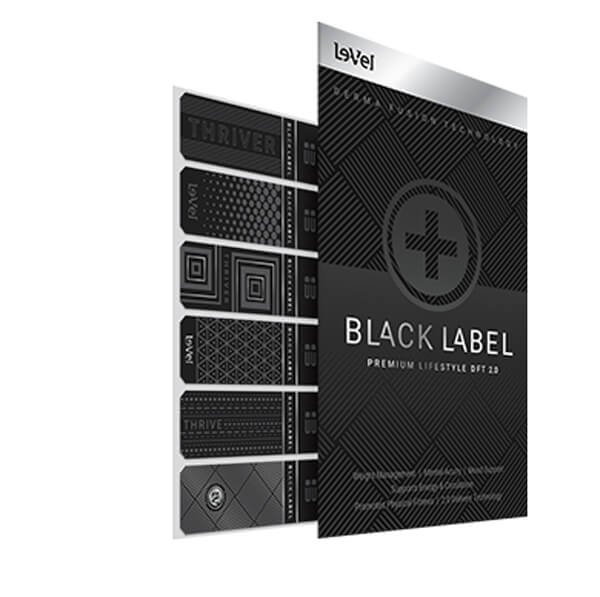
Search “weight loss patch” or “diet patch” online and you’ll find a wide range of brands promising instant, effortless results. Similar to a nicotine patch, these are waterproof adhesive patches typically worn on the upper arm, abdomen, or shoulder blade, applied each morning and left on until replaced the next day.
The catch is that there’s no reliable way to confirm the ingredients in these patches are actually delivered effectively through the skin. Most experts agree that no weight loss patch has held up under real scientific scrutiny, and much of the supporting “research” that does exist tends to come from the companies selling the product or groups affiliated with them.
Is a Weight-Loss Patch the Same as a Slimming Patch?
Largely, yes — most weight loss and slimming patches make similar claims using similar ingredients. They’re typically marketed as “herbal” or “all-natural,” claiming to suppress appetite, boost fat burning, and stimulate metabolism, though the specific claims can vary somewhat by brand.

How Do Weight-Loss Patches Work?
The concept behind these patches is simple: deliver ingredients through the skin — a method called transdermal delivery — without needing to remember to take a pill. The patch adheres to the skin with an adhesive and is designed to release its ingredients gradually over the course of a day.
Is There an FDA-Approved Weight-Loss Patch?
No — there are currently no FDA-approved weight loss patches on the market. Because there’s no solid scientific evidence supporting their effectiveness, it’s genuinely difficult to say whether these products are safe. In 2004, the Federal Trade Commission actually charged a patch manufacturer for falsely claiming its product caused substantial weight loss — a real, documented regulatory action against the category.
Common Weight-Loss Patch Ingredients
Garcinia Cambogia — its HCA content is claimed to block fat production and suppress appetite, though per WebMD, research shows little to no real effect on body weight.
L-Carnitine — a naturally occurring amino acid used for exercise recovery, per Nutrients. It plays a real role in energy production and muscle function, though its specific weight-loss claims are largely anecdotal.
5-HTP — a byproduct of the amino acid L-tryptophan, claimed to affect appetite, sleep, mood, and body temperature when used in patches.
Pyruvate — claimed to increase fat breakdown and energy expenditure, though research in Medical Science Monitor found only a possible, minimal effect on body weight and fat.
Green Tea — per the National Center for Complementary and Integrative Health, research suggests only a modest possible effect on body weight, likely through increased energy expenditure and fat oxidation.
Hoodia — claimed to suppress appetite, though the Mayo Clinic notes there’s very little published human research behind this claim.
Guarana — an herbal caffeine source that stimulates the central nervous system and thermogenesis, with research suggesting a possible modest effect on weight or reduced weight gain over time.
Bladder Wrack — a seaweed containing iodine that may support thyroid-driven metabolism, though supporting research for weight loss specifically is minimal.
Potential Side Effects
Any ingredient in a weight loss patch carries some potential for adverse effects, particularly without medical supervision. L-carnitine, for example, can interact poorly with certain medications, per Drugs.com. Because these patches typically combine multiple active ingredients, safety really has to be assessed ingredient by ingredient, factoring in any existing health conditions or medications.
The Bottom Line on Weight-Loss Patches
For most people, sustainable weight loss still comes down to eating fewer calories and staying active — a healthy pace is generally 1-2 pounds per week. Any product promising “rapid” or guaranteed weight loss without diet or exercise deserves real skepticism. What often actually happens is that people trying a weight loss patch also adopt new exercise and eating habits alongside it — and it’s usually those lifestyle changes, not the patch itself, driving the results.
Explore more Weight Loss Program reviews and guides on our site.