
Children’s Diet and Health: 3 Real Facts for Parents
Let’s take a closer look at children's health and what it genuinely offers. Advertisement Table of content The Core Defenses Against Childhood Illness Building a Pediatric First Aid Kit Managing Colds and Common Illness Secondhand Smoke and Children's Health Preparing for Emergency Situations Understanding Children's Health Coverage Options Who This Guide Is Actually For School […]

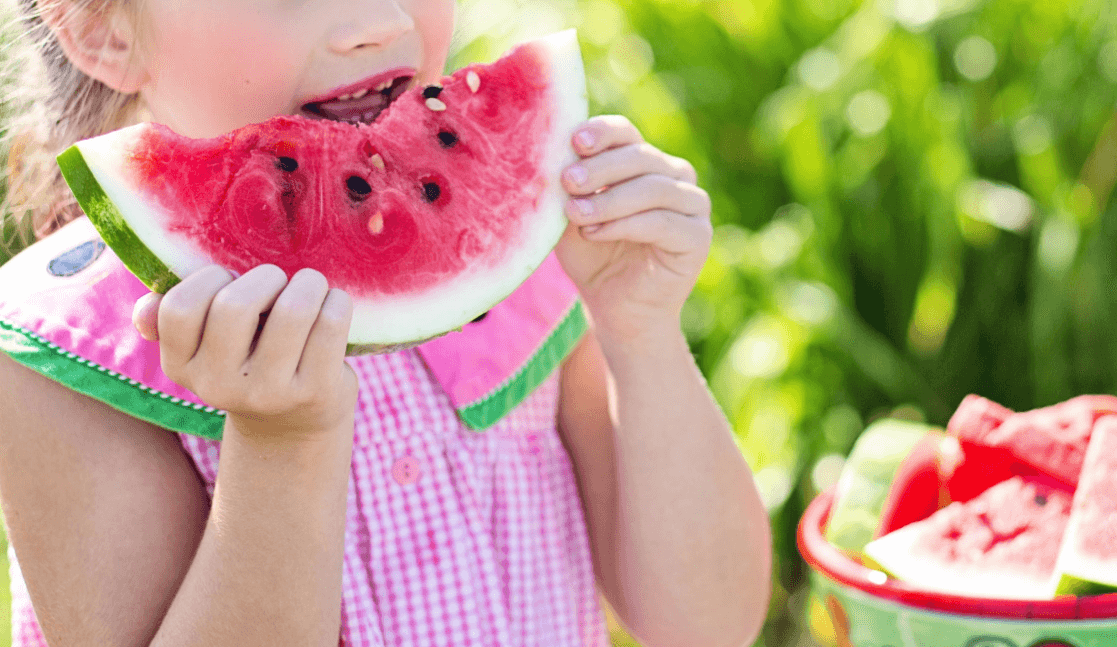
Let’s take a closer look at children's health and what it genuinely offers.
Keeping kids healthy through the school year comes down to a handful of consistent basics — vaccination, hygiene, nutrition, and knowing how to respond when illness or injury happens. This guide covers the essentials parents and caregivers should have on hand.
The Core Defenses Against Childhood Illness
Vaccinations remain one of the most effective defenses against serious childhood illness, working alongside everyday habits like frequent hand-washing to limit how germs spread in classroom and playground settings. A genuinely healthy diet and regular physical activity round out the foundation — kids with consistent nutrition and movement tend to have stronger baseline immune resilience.
Building a Pediatric First Aid Kit
Every household with kids benefits from a dedicated first aid kit stocked for common childhood scrapes, bumps, and minor illnesses — bandages of varying sizes, antiseptic wipes, a digital thermometer, children’s pain reliever (dosed by weight, per your pediatrician’s guidance), tweezers, and instant cold packs. Knowing basic pediatric CPR and first aid steps before an emergency happens, rather than looking them up in the moment, makes a real difference.
Managing Colds and Common Illness
Colds are an unavoidable part of childhood, especially in group settings like school. The Mayo Clinic specifically cautions against giving young children over-the-counter cold medicines without pediatrician guidance — many aren’t recommended for kids under a certain age due to real safety concerns, and symptom management (rest, fluids, humidified air) is often the more appropriate first response. Understanding how colds spread — primarily through respiratory droplets and contaminated surfaces — helps explain why hand-washing and covering coughs matter so much in classroom settings specifically.
Secondhand Smoke and Children’s Health
Secondhand smoke exposure carries real, documented risks for children, including increased respiratory infections, asthma severity, and ear infections. Limiting a child’s exposure in homes, vehicles, and other environments is a genuinely impactful, controllable health measure.
Preparing for Emergency Situations
Beyond everyday illness, having a plan for larger emergencies — natural disasters, evacuations, or other disruptions — matters specifically for families with children, who have different needs than adults during crises (medication access, comfort items, clear age-appropriate communication). The CDC maintains dedicated guidance on caring for children specifically during emergency and disaster situations.
Understanding Children’s Health Coverage Options
For families navigating healthcare costs, the Children’s Health Insurance Program (CHIP) provides low-cost coverage in many states for children whose families earn too much for Medicaid but still need help affording care — worth checking eligibility directly through your state’s program if healthcare costs are a barrier to routine pediatric care.
Who This Guide Is Actually For
This fits parents, caregivers, and anyone regularly responsible for children’s day-to-day health and safety, particularly those wanting a consolidated reference for common questions around illness, first aid, and emergency preparedness.
School Nurse’s Resource: Frequently Asked Questions
The Bottom Line on Children’s Diet and Health
Consistent basics — vaccination, hygiene, nutrition, and preparedness — do more for children’s day-to-day health than any single intervention. Having a stocked first aid kit, understanding when to seek medical guidance versus manage symptoms at home, and knowing what resources exist for both routine and emergency situations gives parents and caregivers real confidence in keeping kids healthy through the school year.
Explore more Healthy Diet reviews and guides on our site.
For general guidance on healthy weight management, see the resources available from Mayo Clinic.
Overall, children's diet and health remains worth understanding before you decide.
Overall, children's diet and health remains worth understanding before you decide.