
Mountain Dew Kickstart Review: 3 Real Facts to Know
Mountain Dew Kickstart contains just 5% actual juice — barely enough to qualify as a “juice drink” under FDA rules — while marketing itself as a three-in-one breakfast beverage combining soda, juice, and caffeine. This Mountain Dew Kickstart review checked what’s really in the can behind the marketing framing. Table of content How We Researched […]

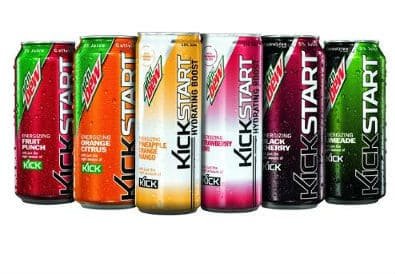
Mountain Dew Kickstart contains just 5% actual juice — barely enough to qualify as a “juice drink” under FDA rules — while marketing itself as a three-in-one breakfast beverage combining soda, juice, and caffeine. This Mountain Dew Kickstart review checked what’s really in the can behind the marketing framing.
How We Researched This Mountain Dew Kickstart Review
This Mountain Dew Kickstart review checked the actual caffeine dose against typical energy drinks, the FDA labeling rules the product exploits, and the research on high fructose corn syrup’s role in weight gain.
Mountain Dew Kickstart Review: What Is It?
Made by PepsiCo, Mountain Dew Kickstart launched in February 2013, inspired by a Taco Bell breakfast drink combining orange juice and Mountain Dew. It’s marketed as a morning alternative to coffee or juice, containing carbonated water, high fructose corn syrup, natural juice concentrate (5%), caffeine (92mg), and sodium benzoate.
What the Research on Key Components Shows
- The American Journal of Clinical Nutrition: high fructose corn syrup, found in many foods and drinks, genuinely increases caloric intake.
- StatPearls: caffeine can genuinely fight fatigue and drowsiness — a real, relevant benefit for a morning beverage.
- Caffeine for the Sustainment of Mental Task Performance: caffeine works as a genuine stimulant, though it can cause negative side effects.
The “Juice Drink” Labeling Trick
This is worth understanding clearly: at just 5% juice content, Mountain Dew Kickstart technically qualifies as a “juice drink” under FDA rules — a genuinely low bar that lets the product market itself with juice-adjacent health halo despite being overwhelmingly carbonated soda with added caffeine. The FDA also allows companies to choose whether to label energy drinks as beverages (requiring standard Nutrition Facts) or dietary supplements (following looser Dietary Supplement Health and Education panel rules) — worth checking which label Kickstart actually uses.

The Caffeine Dose in Context
At 92mg per can, Kickstart contains meaningfully less caffeine than Red Bull or Monster — genuinely closer to a standard cup of coffee than a typical high-caffeine energy drink. This is a real point in its favor for anyone wanting a moderate energy boost without extreme stimulant load.
The High Fructose Corn Syrup Concern
Per the National Institutes of Health, high fructose corn syrup is a common source of excess calories and, per the Journal of Nutrition & Intermediary Metabolism, is directly linked to weight gain — a real concern for a beverage marketed as a healthy breakfast alternative.
Does Mountain Dew Kickstart Work as a “Healthy” Breakfast Drink?
The moderate caffeine dose genuinely delivers a real, non-extreme energy boost. The “juice” and “healthy breakfast alternative” framing is largely marketing built on a technicality — the actual nutritional profile is closer to a carbonated soda with a modest caffeine addition than a genuine juice-based breakfast beverage.
Who Mountain Dew Kickstart Actually Makes Sense For
This fits people wanting a moderate-caffeine alternative to stronger energy drinks who understand it’s essentially soda, not a health beverage, despite the juice-adjacent marketing. It’s a poor fit for anyone specifically seeking a genuinely healthy breakfast replacement or trying to limit high fructose corn syrup intake.
Frequently Asked Questions
The Bottom Line
Mountain Dew Kickstart delivers a genuinely moderate caffeine dose lower than typical energy drinks, but its “juice” and “healthy breakfast” positioning relies on a technical labeling minimum rather than real nutritional substance. This Mountain Dew Kickstart review found a reasonably moderate energy drink marketed with a health framing its actual ingredients don’t support.
Explore more Weight Loss Program reviews and guides on our site.