Lida Daidaihua Review: 3 Real Facts About the FDA Ban
Lida Daidaihua slimming capsules were found to contain two undisclosed banned substances — sibutramine and phenolphthalein — leading to an FDA withdrawal. This Lida Daidaihua review checked what that means, and why the product is no longer available through major retailers. Table of content How We Researched This Lida Daidaihua Review Lida Daidaihua Review: What […]

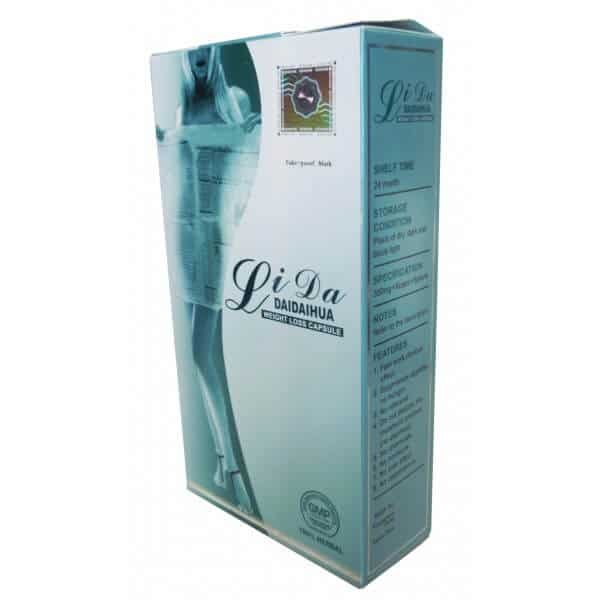
Lida Daidaihua slimming capsules were found to contain two undisclosed banned substances — sibutramine and phenolphthalein — leading to an FDA withdrawal. This Lida Daidaihua review checked what that means, and why the product is no longer available through major retailers.
How We Researched This Lida Daidaihua Review
This Lida Daidaihua review checked the FDA’s actual findings on the product’s undisclosed ingredients, the published research on bitter orange and cassia seed, and the manufacturer’s background.
Lida Daidaihua Review: What Is It?
Made by Kunming Dali Industry & Trade Company (China, in business since 2001), Lida Daidaihua is a Chinese herbal slimming capsule marketed as “the world’s most popular herbal weight loss product,” claiming appetite suppression, reduced fat absorption, faster metabolism, and toxin elimination. It’s no longer available through major marketplaces like Amazon following FDA action.
The FDA Finding — Undisclosed Banned Substances
This is the central, serious issue: Lida Daidaihua’s capsules were found to contain sibutramine and phenolphthalein, neither disclosed on the label.
- Sensors and Actuators B: Chemical: sibutramine, a prescription appetite suppressant, is illegally added to weight-loss products often enough that researchers continue developing new detection methods for it.
- Obesity Facts: sibutramine can genuinely help with weight loss, but requires a prescription and physician supervision — it’s not safe for unsupervised use in an undisclosed supplement.
- PubChem: phenolphthalein is typically a lab test indicator chemical; taken orally, it acts as a laxative — not an ingredient anyone should unknowingly consume.
What the Disclosed Ingredients Actually Do
window.lightweightNewsPushAd(document.currentScript.previousElementSibling);
Bitter orange (daidaihua) has some scientific support for weight loss, but carries a genuine safety debate due to synephrine, which structurally resembles banned ephedra, per Phytotherapy Research. Cassia seed is a laxative producing only temporary water-weight loss, not fat loss, per Clinical Toxicology. Job’s Tears shows anti-inflammatory promise but little weight-related research. Mulberry leaf extract (Mulberry Zuccarin) isn’t FDA-approved despite its inclusion. Notably, the formula also contains medicinal starch — essentially cornstarch, functioning as a filler with no weight-loss value.
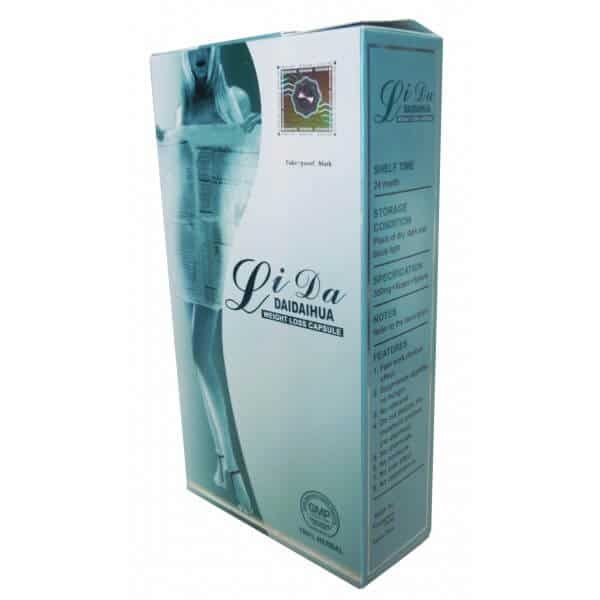
Why This Product Disappeared From Major Retailers
The FDA first flagged Lida Daidaihua in 2008. The combination of undisclosed banned substances and lack of ingredient transparency explains why it’s no longer sold through mainstream marketplaces — a genuine, serious regulatory action, not a minor labeling dispute.
Who Should Avoid Lida Daidaihua
Given the confirmed presence of undisclosed sibutramine and phenolphthalein, this product isn’t safe for anyone to use without knowing exactly what they’re consuming — sibutramine specifically carries real cardiovascular risk requiring physician oversight that an unregulated supplement cannot provide.
Lida Daidaihua Review: Frequently Asked Questions
Lida Daidaihua Review: The Bottom Line
Lida Daidaihua’s confirmed undisclosed banned substances make this a genuine safety concern, not just an ineffective supplement. This Lida Daidaihua review found real, serious reasons to avoid this product entirely, regardless of any individual disclosed ingredient’s merits.
Find more Herbal Diet Supplement guides and resources on our site.