Lipodrene Review: 3 Real Facts About the Ephedra Risk
Lipodrene relies on ephedra — an ingredient banned from general sale in the United States over dangerous side effects, still present in this specific formula variant. This Lipodrene review checked what the research actually says about ephedra’s risk-to-benefit ratio. Table of content How We Researched This Lipodrene Review Lipodrene Review: What Is It? What the […]

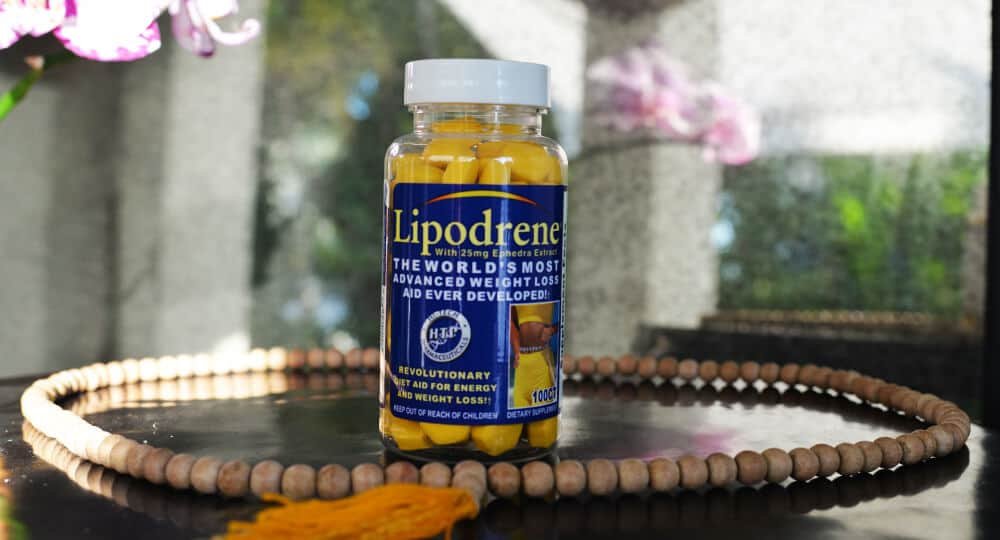
Lipodrene relies on ephedra — an ingredient banned from general sale in the United States over dangerous side effects, still present in this specific formula variant. This Lipodrene review checked what the research actually says about ephedra’s risk-to-benefit ratio.
How We Researched This Lipodrene Review
This Lipodrene review checked the published clinical research on ephedra and ephedrine specifically, the actual regulatory status behind the ban, and research on the formula’s other stimulant ingredients.
Lipodrene Review: What Is It?
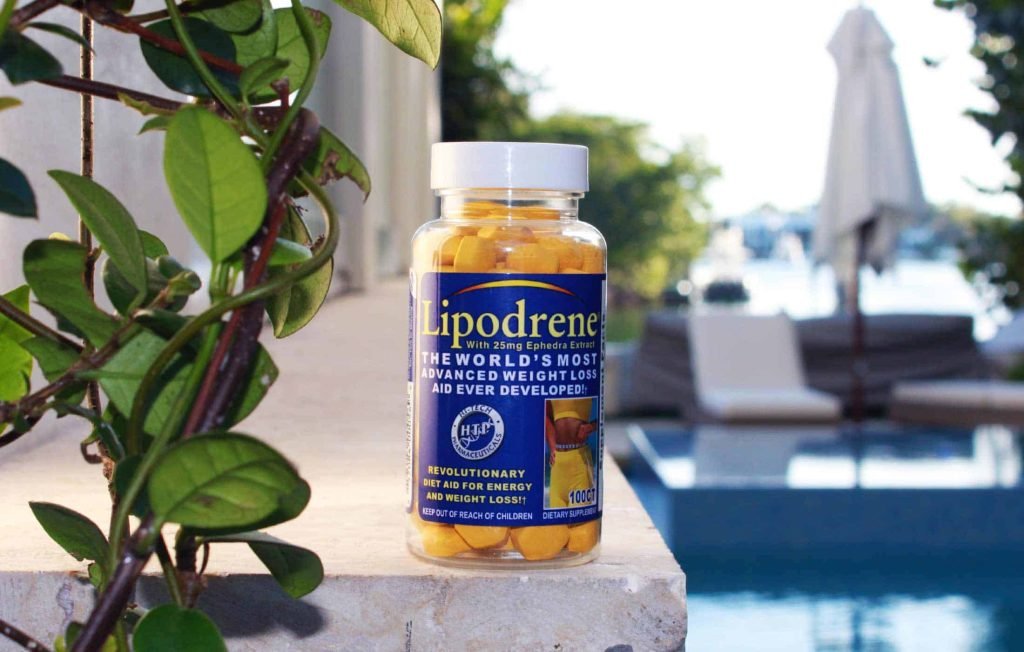
Made by Hi-Tech Pharmaceuticals (established 1994, CGMP certified) since the mid-2000s, Lipodrene — recognizable by its yellow hexagon shape — is a thermogenic weight-loss pill built around ephedra extract, Senegalia berlandieri (acacia rigidula), phenylethylamine HCl, synephrine, theobromine, green tea extract, hoodia, and caffeine. It’s sold in four variants: Original, Hardcore With Ephedra, Elite, and Xtreme V2.0.
What the Research on Ephedra Actually Shows
- The Journal of the American Medical Association: ephedrine and ephedra produce only modest short-term weight loss (about 0.9 kg/month more than placebo), with no long-term weight loss data and insufficient evidence for athletic performance claims — while being associated with increased psychiatric, autonomic, gastrointestinal symptoms, and heart palpitations. This is a stark risk-benefit imbalance directly from a major medical journal.
- FASEB: Senegalia berlandieri shows antimicrobial activity, but no recent research supports its weight-loss claims specifically.
- International Journal of Obesity: caffeine can decrease appetite and improve certain clinical assessment scores — one of the more genuinely supported ingredients in the formula.
Why the Ephedra Concern Matters
This is the central issue: modest weight-loss benefit (under a kilogram monthly above placebo) paired with real, documented cardiovascular and psychiatric risk is a genuinely poor trade-off. Ephedra’s broader sale was restricted in the US specifically because of this risk profile — Lipodrene’s continued use of it in certain variants (like Hardcore With Ephedra) means that risk remains present for anyone choosing those versions.
Missing Study Citations
Hi-Tech Pharmaceuticals claims Lipodrene is “engineered based on volumes of scientific and clinical data with hundreds of published studies,” but doesn’t cite these studies or explain the rationale for secondary ingredients — a real transparency gap given the ephedra content specifically.
Side Effects
Beyond ephedra’s documented risks, the multi-stimulant formula (caffeine, synephrine, theobromine, phenylethylamine) compounds cardiovascular and psychiatric symptom risk when combined.
Who Lipodrene Actually Makes Sense For
Given ephedra’s documented risk profile relative to its modest benefit, this product warrants real caution for anyone, particularly those with cardiovascular concerns, anxiety, or psychiatric conditions. Anyone still considering it should choose a non-ephedra variant if available, consult a doctor first, and understand the JAMA research showing limited long-term benefit.
Lipodrene Review: Frequently Asked Questions
Lipodrene Review: The Bottom Line
Lipodrene’s ephedra content carries documented, serious risk for only modest weight-loss benefit according to major medical journal research, and the company’s own claims lack cited sources. This Lipodrene review found real safety concerns that warrant caution regardless of which specific variant you’re considering.
Find more Energy Booster guides and resources on our site.