12 Easy Ways to Remain on a Healthy Diet
A healthy diet comes down to actively choosing to eat well. It can make weight loss easier, boost your energy, improve mood, and reduce disease risk. Despite all these benefits, sticking with it can still be genuinely difficult. Table of content Healthy Diet: Have a Plan When You Travel Always Have a Supply of Healthy […]


A healthy diet comes down to actively choosing to eat well. It can make weight loss easier, boost your energy, improve mood, and reduce disease risk. Despite all these benefits, sticking with it can still be genuinely difficult.
“It’s critical that you change your relationship with food. It’s critical that you change the way you think and react to food. It’s critical that you learn the right mindset along with developing the healthy habits and behaviors necessary to lose weight and keep it off. Otherwise, you’ll keep going from one diet to the next. You’ll never be able to stick with anything,” says Adam Gilbert, founder of MyBodyTutor.
Here are 12 tips to help you stick with a healthy diet.
Healthy Diet: Have a Plan When You Travel
Whether you’re traveling for business or pleasure, being away from home and familiar routines makes it harder to stick with a healthy lifestyle, according to Fox News. A few ways to make it easier:
- Research local restaurants and grocery stores before you leave.
- Pack healthy foods that don’t require refrigeration.
- Set a personal challenge to stay on track for most of the trip.
Always Have a Supply of Healthy Snacks
Staying on a healthy diet gets harder the longer you’re away from home. Let yourself get too hungry, and you’re likely to grab whatever’s available — often processed food that doesn’t satisfy hunger and isn’t great for you long-term.
According to Nutrition Journal, keeping high-protein snacks on hand improves your odds of controlling appetite until you can get a proper meal. Good options to pack include jerky, almonds, and peanuts, or a small cooler with Greek yogurt, cheese, or hard-boiled eggs.
The Last Word: Bring high-protein snacks when traveling to satisfy hunger during long stretches without a proper meal.

Have a Game Plan Before Going to a Restaurant
Eating out is a genuine challenge for maintaining a healthy diet, but a bit of preparation goes a long way. Per the USDA, sharing an entree, savoring a salad, and skipping the buffet can all help prevent feeling overwhelmed once you arrive.
The Last Word: Planning ahead before eating out helps you make healthier choices once you’re there.
Make Sure Your Expectations Are Realistic
A nutritious diet offers real benefits, including potential weight loss, per WebMD — but setting realistic expectations matters, according to health and fitness expert Rachael Attard.
Pressuring yourself to lose weight too quickly can actually work against you. A study in Obesity Research found people who set overly high weight-loss expectations were more likely to abandon their program within 6-12 months.
“Nutrition can be a really personal thing and what works for a friend may not be the solution for you. Something that has resonated in my life is that it really is about finding a balance that makes your life healthy. Sometimes we ‘nourish’ our bodies with high-quality foods with great nutritional properties. And sometimes we ‘nourish’ our souls via a good meal with friends or baking cookies with a child,” says Jill Whitaker, an RRCA Certified Running Coach and owner of Jill Will Run.
Setting a more realistic, achievable goal reduces the risk of discouragement — and per the Journal of Human Nutrition and Dietetics, can actually lead to more substantial weight loss overall.
Change Your Diet and Add Exercise at the Same Time
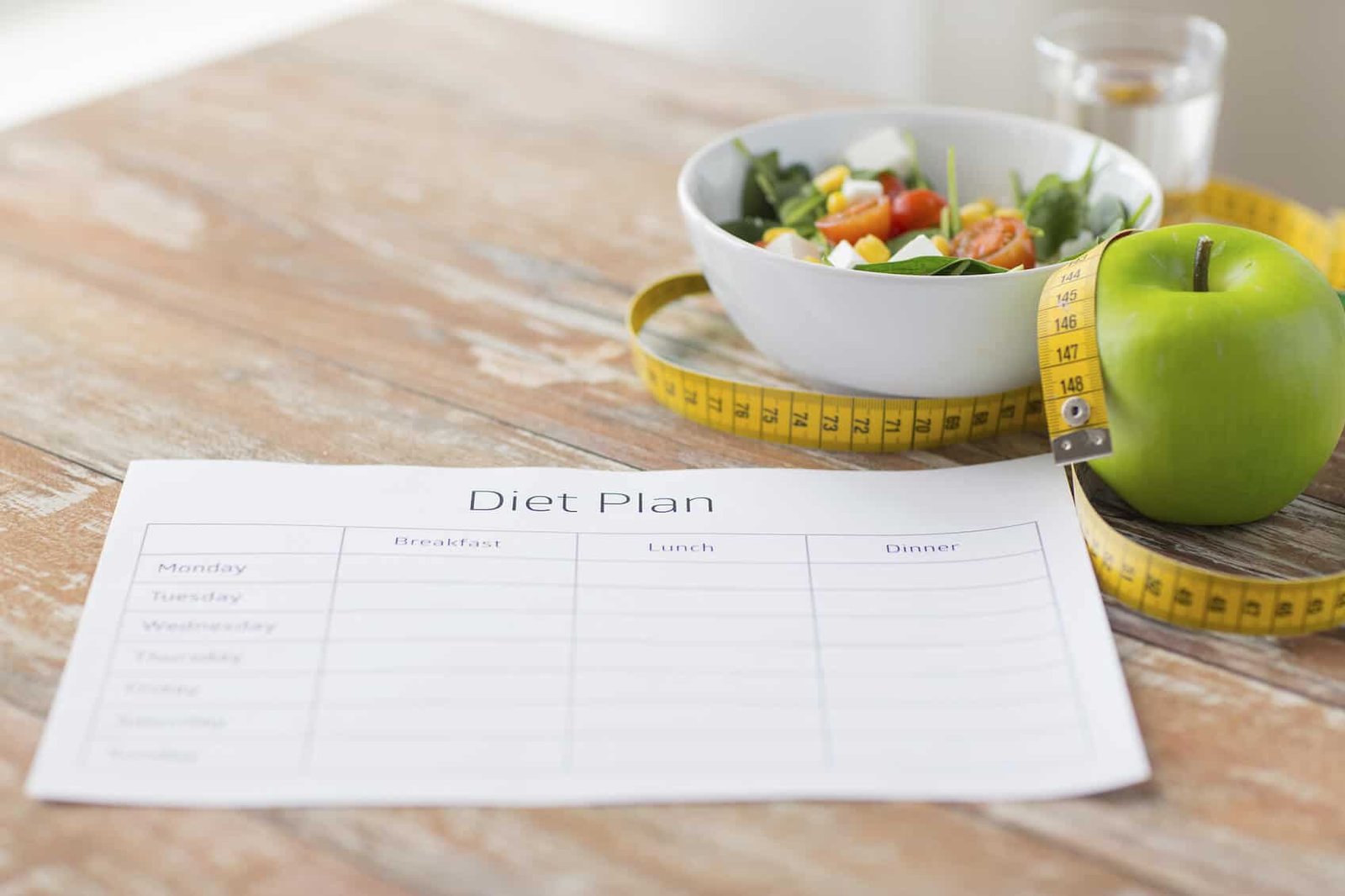
You’ve probably heard it’s best not to change too many habits at once — generally solid advice. But research shows that changing how you eat and adding exercise simultaneously often produces better, mutually reinforcing results, according to the New York Daily News.
“Form is also important. Having proper form while exercising will not only keep you safe and injury-free, but will also let you get the most gains out of your workout,” says Shannon Michelle, owner of Cali Girl Gets Fit.
A 200-person study in the Annals of Behavioral Medicine found that people who started eating healthier and exercising simultaneously had an easier time sustaining both behaviors than those who started one and added the other later.

The Last Word: Changing your eating habits and adding exercise at the same time improves your odds of lasting success.
Consider Your Motivation
Thinking through your reasons for making healthy choices helps keep you on track. Write down your reasons for adopting a healthier lifestyle, and refer back to that list whenever you need a reminder.
The Last Word: “If YOU are ready to make a change in your lifestyle, recruit a support network,” says Aynsley Kirshenbaum, M.S., Nutritional Counselor and Personal Trainer.

Start the Day with a High-Protein Breakfast
A well-balanced, protein-rich breakfast supports healthier blood sugar levels and reduces overeating for the rest of the day, according to FitDay, Nutrition Journal, and Appetite.
One study in Obesity found overweight women who ate at least 30 grams of protein at breakfast stayed fuller longer and ate fewer calories at lunch than those with a lower-protein breakfast. Another study in the American Journal of Clinical Nutrition found that a high-protein breakfast can improve overall diet quality.
The Last Word: A high-protein breakfast keeps you fuller between meals and helps prevent overeating throughout the day.

Participate With a Partner
Staying focused on healthy eating and exercise is genuinely tougher solo. U.S. News & World Report, WebMD, JAMA Internal Medicine, and the Journal of Consulting and Clinical Psychology all point to real benefits from having someone join you, especially a partner or spouse.
Data from over 3,000 couples found that when one partner made a positive lifestyle change, the other was significantly more likely to follow suit.

The Last Word: Having a partner join your healthy lifestyle changes meaningfully improves your chances of success.
Be Mindful of What You Eat
The Cleveland Clinic, Today’s Dietitian, and the UA College of Nursing all point to mindful eating as an easier path to a sustainably healthy lifestyle. Eating slowly and genuinely savoring your food, as advised by Harvard Health, Mercola.com, and WebMD, meaningfully boosts your odds of making lasting behavioral change.
One study in the Journal of Obesity found overweight and obese women who practiced mindful eating showed significant improvement in their relationship with food over four months. Another study in the Journal of Health Psychology found binge-eating episodes dropped from four to 1.5 weekly, with reduced severity, over a six-week period.
The Last Word: “As a society, we have become so engrained into technology that we are on our technologies all day – including during meal times. I recommend to make sure to eat at a table, away from a work desk, computer, cell phone, and television, to aid in staying mindful. Distractions do not allow us to enjoy our meals and connect with our hunger and fullness cues,” says Gisela Bouvier, MBA, RDN, LDN, founder of B Nutrition and Wellness.
Avoid All-or-Nothing Thinking
One of the biggest roadblocks to healthy lifestyle change is “black and white” thinking, according to Healthy Bliss and Greatist.
This mindset shows up when, say, a few unhealthy party appetizers lead you to decide your whole day is “ruined,” prompting further overindulgence. Instead, put the moment behind you and choose whole, high-protein foods for the rest of the event — a choice that leaves you feeling satisfied rather than frustrated and overstuffed.
A few less-than-ideal choices make little real difference as long as you balance them with healthier ones overall.
“Focusing on the number on the scale has been proven to be detrimental to your weight loss process. Therefore stop focusing on your fat and start working on having the right attitude. The body will follow the mind, not the other way around. It’s all about learning about what your body needs to give you what you want. Get your mind on the right track and the body will follow,” says Leo Frincu, a trainer and former World Champion wrestler.
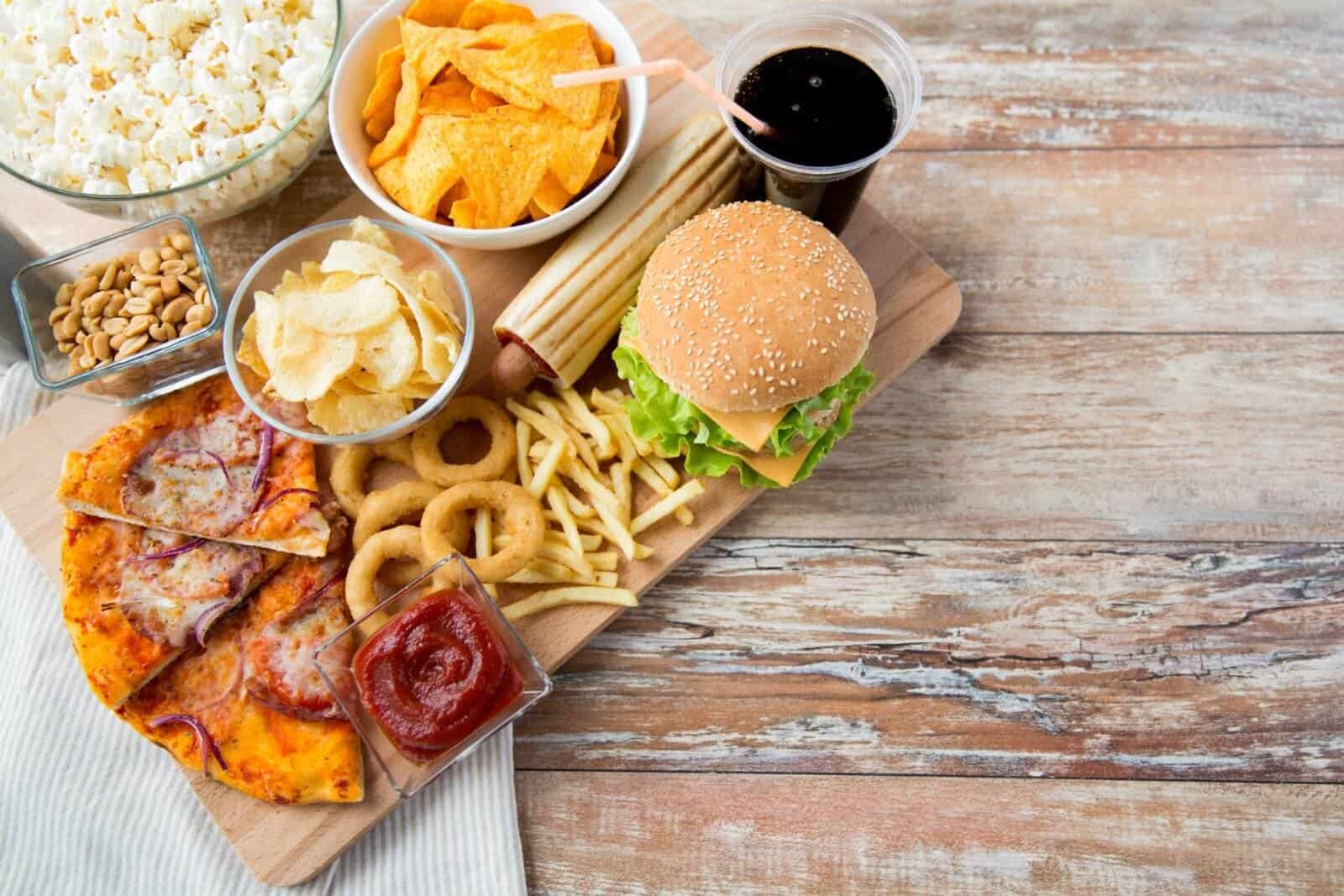
The Last Word: Labeling a day as strictly “good” or “bad” tends to trigger overeating and further unhealthy choices.
Avoid Bringing Unhealthy Foods Into Your House
Staying surrounded by junk food makes healthy choices genuinely harder. If other household members want to keep less healthy snacks around, keep them out of sight rather than displayed on counters — “out of sight, out of mind” holds up here.
Research in the International Journal of Obesity confirms that keeping food visible throughout the house is linked to a meaningfully higher risk of obesity and unhealthy eating.
The Last Word: Keeping unhealthy foods out of the house, or at least out of view, improves your odds of staying on track.
Choose the Plan That Works Best for You
There’s no single eating plan that works perfectly for everyone.
“A list of what I have come to understand is the foundational habits of those who are most successful in achieving and sustaining health and wellbeing over time is: Healthy eating: Aiming for three meals a day plus snacks as required – Moderation: In what you choose to eat and drink day to day – Quality sleep: Enabling you to wake recharged & refreshed – and Staying active: Being consistent in being active and moving throughout your day,” says Jan McLeod, coach, mentor, and nutritionist at Mad for Health.
The right diet and exercise plan is one you genuinely enjoy and can maintain for the long haul — the best healthy meal plan is simply the one you can actually stick with.
Explore more Health Articles reviews and guides on our site.
For general guidance on healthy weight management, see the resources available from the NIH.
Overall, healthy diet remains worth understanding before you decide.
Overall, healthy diet remains worth understanding before you decide.